our patient outcomes are among the best in the nation
SUPERIOR OUTCOMES
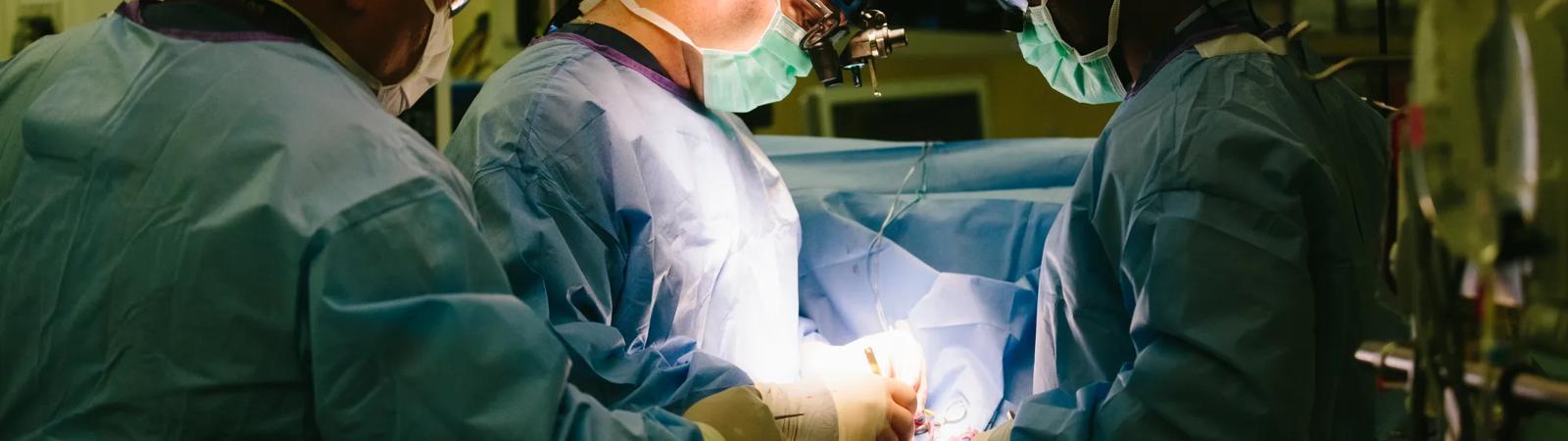
We perform more than 600 cardiac surgeries each year, from minimally invasive approaches to complex heart surgeries—with one of the highest survival rates in the nation
SPECIALIZED PEDIATRIC CARDIOLOGY CARE
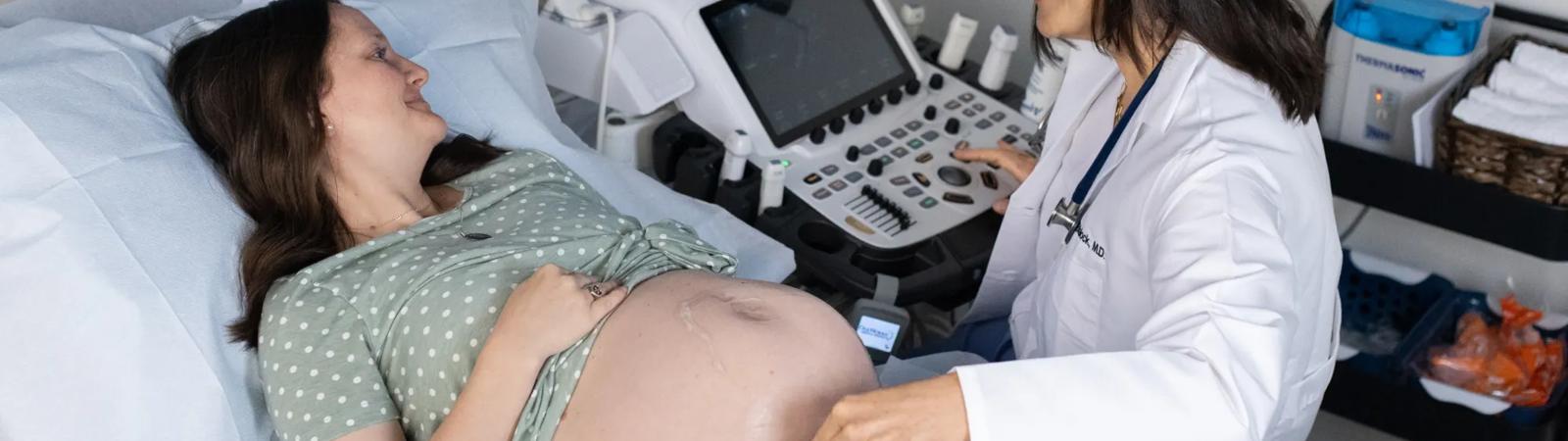
Our heart experts understand how children's hearts grow and change, providing specialized care from birth through adulthood
PATIENT TESTIMONIAL
“Our lives have completely changed for the better after our son’s full heart repair. We are incredibly grateful for the brilliant minds and helpful hands of everyone who played a vital role in his life while at Children’s Health.”
Lauren, patient parent

Explore Providers
Patient Stories
Sydney's story
College sophomore Sydney’s life revolves around her online courses at Southern University (her dream school) where she’s majoring in mass communications.

Services
How our Heart Center team can help your child
When your child needs heart treatment or surgery, you can count on our expert team. We provide compassionate support at every step, from diagnosis to treatment to ongoing care. Your child's heart health is in the best hands.
Resources
Support and helpful tools for your family
These resources help you and your family navigate every aspect of your child's care at Children's Health, from preparing for your child’s visit to accessing health insurance information.
Our Programs
Adult Congenital Heart Disease Program
Cardiothoracic Surgery
Pediatric Electrophysiology Program
Fetal Heart Program
Heart Failure Program
Safe at Home Program
Genetic Testing and Care for Pediatric Heart Problems
Expert Care for Coronary Abnormalities
Cardiac Neurodevelopmental Program
Cardiac Catheterization and Intervention
Pediatric Dilated Aorta Caused by Connective Tissue Disorders Program
Pediatric Cardiac Intensive Care Unit (CICU)
Pediatric Fontan Program
Preventive Cardiology Clinic
Pulmonary Hypertension (PH) Program
Pediatric Complex Biventricular Repair Program
Lipid Disorders Program
Conditions We Treat
Pediatric aortic stenosis
Pediatric arrhythmias
Atrial septal defect (ASD)
Coarctation of the aorta (CoA)
Congenital coronary artery anomaly (CAA)
Pediatric coronary artery disease
Pediatric heart failure
Pediatric heart murmur
Heterotaxy syndrome
Hypoplastic left heart syndrome (HLHS)
Mitral valve stenosis in children
Pediatric patent ductus arteriosus (PDA)
Pulmonary atresia
Pulmonary stenosis
Single ventricle defects
Tetralogy of Fallot (TOF)
Total anomalous pulmonary venous return (TAPVR)
Transposition of the great arteries
Tricuspid atresia
Truncus arteriosus
Ventricular septal defect (VSD)
Congenital heart disease
Pediatric long-QT syndrome (LQTS)
Pediatric atherosclerosis
Pediatric Kawasaki disease (KD)
Pediatric Marfan syndrome (MFS)
Hypertrophic cardiomyopathy (HCM) in children
Dextrocardia in children
Pediatric acquired heart disease
Atrioventricular septal defects (AVSD)
Pediatric Ehlers-Danlos syndrome (EDS or elastic skin)
Pectus excavatum (sunken chest/funnel chest)
Pediatric cardiomyopathy
Pediatric high blood pressure (hypertension)
Lipodystrophy in children
Hypertriglyceridemia in children
Pediatric hypercholesterolemia (high cholesterol)
Myocarditis in children
Multisystem inflammatory syndrome in children (MIS-C)
Pediatric persistent pulmonary hypertension
Treatments & Services
Pediatric extracorporeal membrane oxygenation (ECMO)
Heart transplant
Pediatric ventricular assist device (VAD)
Pediatric cardiac anesthesia
Pediatric electrocardiogram (EKG/ECG)
Pediatric echocardiography (echo)
Pediatric cardiac catheterization
Pediatric implantable cardioverter defibrillator (ICD)
Pediatric coarctation of the aorta (CoA) repair
Pediatric Norwood procedure
Pediatric pacemaker placement
Pediatric transcatheter pulmonary valve implantation
Pediatric septal defect closure
Pediatric radiofrequency ablation
Pediatric valve-sparing repair of tetralogy of Fallot (TOF)
Pediatric interrupted aortic arch repair or advancement
Pediatric bilateral pulmonary artery band
Pediatric Blalock-Taussig shunt
Pediatric cone procedure
Pediatric main pulmonary artery band (PAB)
Pediatric balloon valvuloplasty
Pediatric patent ductus arteriosus (PDA) device closure
Pediatric Fontan revision
Pediatric cardiac imaging
Pediatric Fontan procedure
Pediatric cardiac MRI
Pediatric cardiac MRI stress test
Pediatric Sano shunt procedure
Pediatric Ross procedure (pulmonary autograft)
More Details
Superior outcomes in newborns and infants
We carefully track our outcomes and compare them to national benchmarks. These numbers consistently place us among the nation’s top programs. More important, they mean that our patients experience the best possible outcomes and have the best opportunity for a long, fulfilling life.
For example, our outcomes are better than the national average for very complex procedures, including:
Nearly 100% of the newborns undergoing the Norwood procedure at Children's Health℠ in 2020 and 2021 survived. The national average for this complex surgery is about 85%.
100% of the newborns undergoing complex procedures, including arterial switch operations, repairs of truncus arteriosus, tetralogy of Fallot and atrioventricular septal defects survived – exceeding national benchmarks.
We’re one of the largest pediatric heart transplant programs in the country, performing about 25 to 30 transplants each year. Our one-year and three-year survival rates are among the best in the nation. Our team has extensive experience caring for even the most complex cases. That’s why we’re often able to help children who might be turned away at other hospitals.
We’re also home to one of the most complete ventricular assist device (VAD) programs in the U.S. These devices help a child’s heart pump blood when it’s too weak to do so on its own. Most often, a VAD supports children while they wait for a heart transplant. In some cases, a VAD can even help the heart recover enough to work on its own. We offer the widest range of VAD options for children in our region. That means we can find the device that’s the best fit for your child’s needs.
We’re always looking for new ways to make heart care for kids even better. Through research studies, we explore how new treatments and devices can improve care for children here and across the country. Because we’re involved in this research, our patients often get early access to the newest medications, devices and procedures.
We’re also leading the way with advanced technology. For example, our team can use 3D printing to create a detailed model of a child’s heart. These models help surgeons see the heart’s structure before surgery and plan every step with precision. That extra preparation helps surgery go more smoothly. It can also shorten the time your child spends under anesthesia (medicine that helps them sleep during surgery).
Complex heart issues require lots of care over a long time. We know that the treatment journey can be a lot for families to manage. That’s why we offer a variety of services, resources and programs to support you and your family. These include:
Cardiac Neurodevelopmental Program: Children with heart conditions have a higher risk of developmental and learning concerns. They may also have social, emotional and behavioral challenges. Our cardiac neurodevelopmental team monitors your child’s development and creates personalized treatment plans. We support your child from infancy through early adulthood.
A family-centered approach to care: We know that being close to your child is important. Every patient room has a bed for a family member. Family members also have access to a laundry facility, large waiting rooms and a dining lounge right next to the ICU. You and your family are important members of the care team, and we encourage you to take an active part in rounds and care discussions. We can also connect your family to Mended Little Hearts, a support group for parents who understand what you’re going through.
A care team who listens to you: With a group of parent volunteers, we’ve created the Parent Advisory Council. This group provides valuable insights into the experience of parents of a child with a heart condition. Through this council, we address concerns and enhance support for our families.