Cardiac Neurodevelopmental Program
nationally ranked care, close to home
Meet the Care Team
Patient Stories
Expert care ensures Sanders thrives after her heart transplant
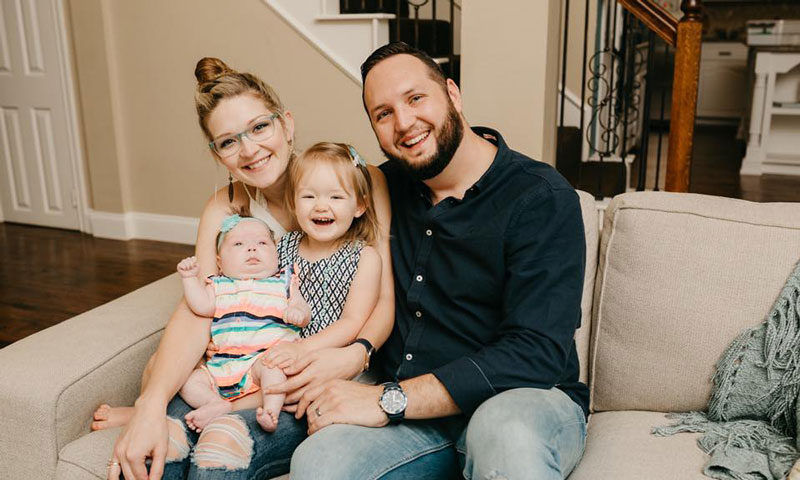
Jamie and Destin wanted their children to grow up close to one another. "That's the hope and the dream, that we get to have a family life," Jamie says.
Treatments & Services
Pediatric speech therapy
Pediatric occupational therapy (OT)
Pediatric physical therapy (PT)
Audiology evaluation (Hearing test)
Autism evaluation
Early childhood behavior evaluation
Psychotherapy referrals
More Details
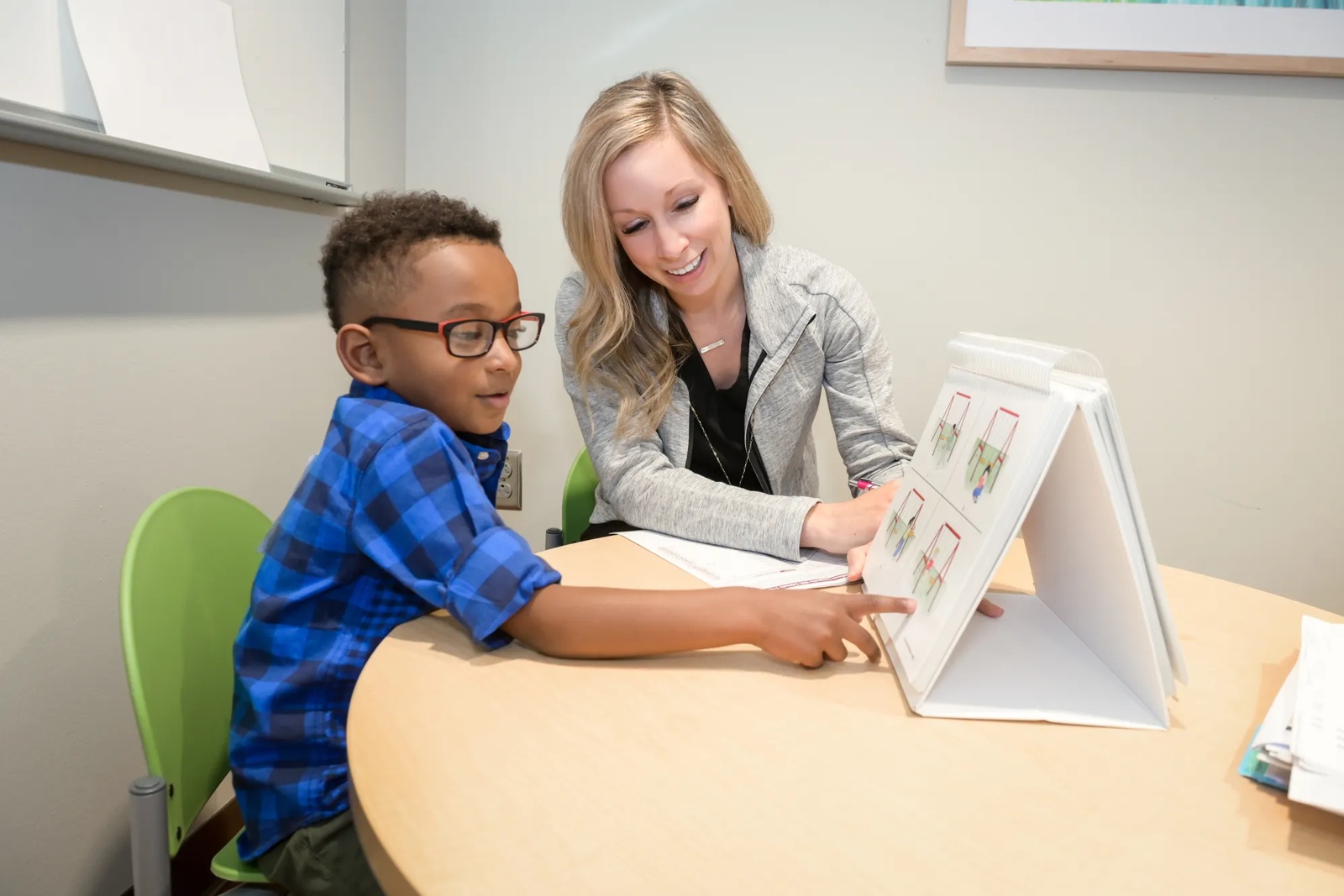
Children with heart conditions have a higher risk of developmental and learning concerns, as well as social, emotional and behavioral differences. Our team monitors your child’s development, creates personalized treatment plans, and supports your child from infancy through early adulthood.
Developmental care rounds
During developmental care rounds, you can meet with your baby’s specialists to discuss your child’s developmental goals and strategies. During this one-on-one time with a specialist, we can teach you things like how to hold and breastfeed your child during your inpatient stay. Our team will regularly come to your baby’s bedside to answer your questions and guide you on how to support your baby’s development.
Frequent screenings from birth to adulthood
Learning that your child has a congenital heart defect can feel overwhelming and you may have many questions about what their future holds. That’s why we put an emphasis on frequent developmental screenings. All high-risk infants are screened for neurodevelopmental differences throughout their outpatient cardiology appointments. We typically do two to four screenings a year from birth until adulthood to monitor your child’s communication and feeding skills, fine and gross motor skills, social and emotional skills, and problem-solving skills. If any concerns come up, we can create a personalized developmental intervention plan that addresses a child’s strengths and weaknesses. It also allows a family to work with their child to support their continued growth.
Bilingual assessment support program
A child needs to be tested in a language that’s familiar to them to make sure their assessments are accurate. That's why between 30% to 40% of our families use our bilingual assessment support program. Assessments start between 12 and 18 months and continue throughout adulthood. During these assessments, we test for potential developmental differences and delays. We have several bilingual providers who can administer these assessments.